
Nullam dignissim, ante scelerisque the is euismod fermentum odio sem semper the is erat, a feugiat leo urna eget eros. Duis Aenean a imperdiet risus.
Nullam dignissim, ante scelerisque the is euismod fermentum odio sem semper the is erat, a feugiat leo urna eget eros. Duis Aenean a imperdiet risus.
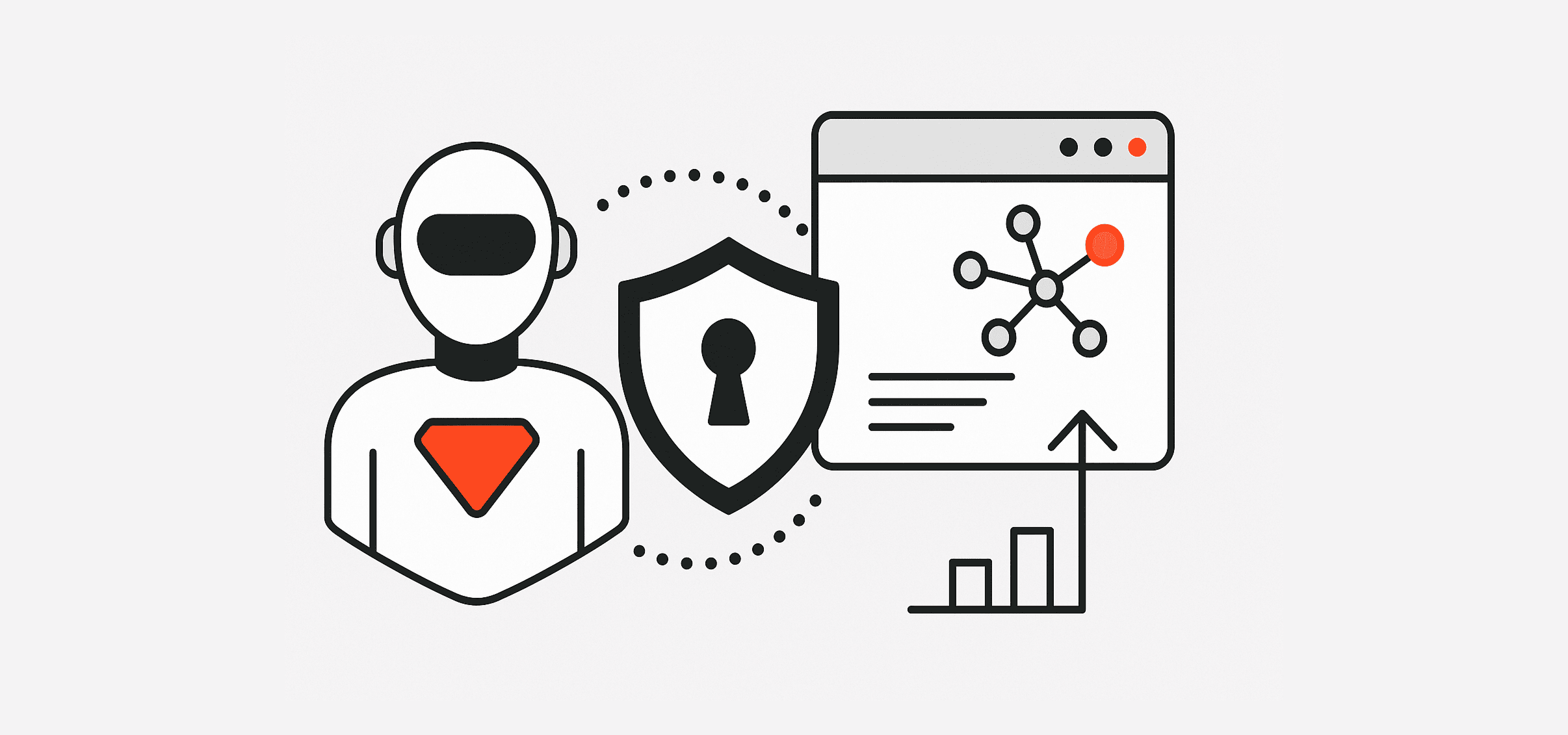
As cyberattacks grow more advanced, traditional security tools can’t keep up. Threats now move fast, adapt to defenses, and often go undetected until damage is done. This is pushing companies to look at Agentic AI intelligent systems that can plan, decide, and act without waiting on humans. For cybersecurity teams, this shift could mean detecting and stopping threats instantly, before they spread.
Read More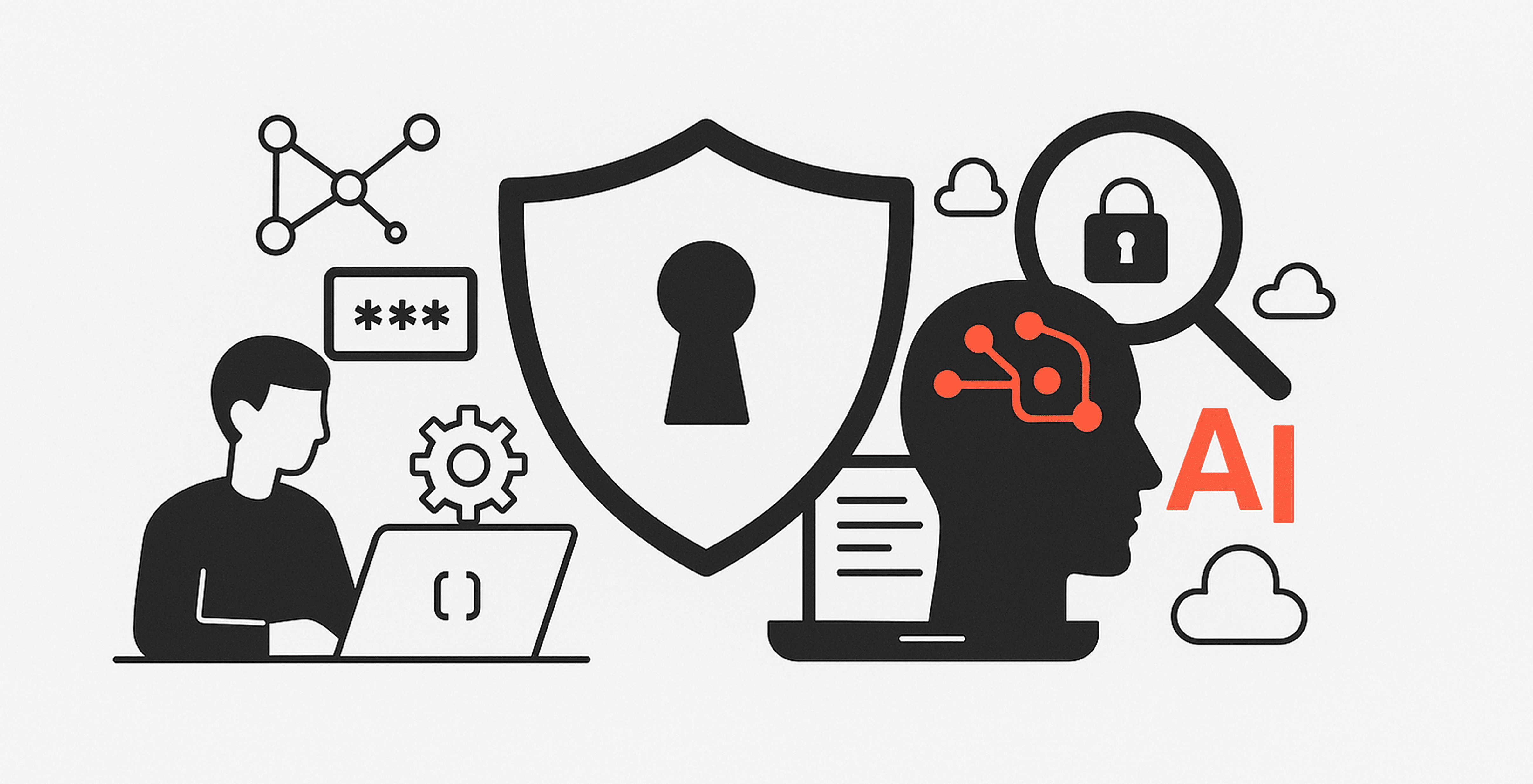
Weekends are always a time to reset, but sometimes even a casual conversation can spark big ideas. Over coffee in DFW, the topic shifted to something shaping the future of cybersecurity, the need for a Dynamic Security Model.
Read More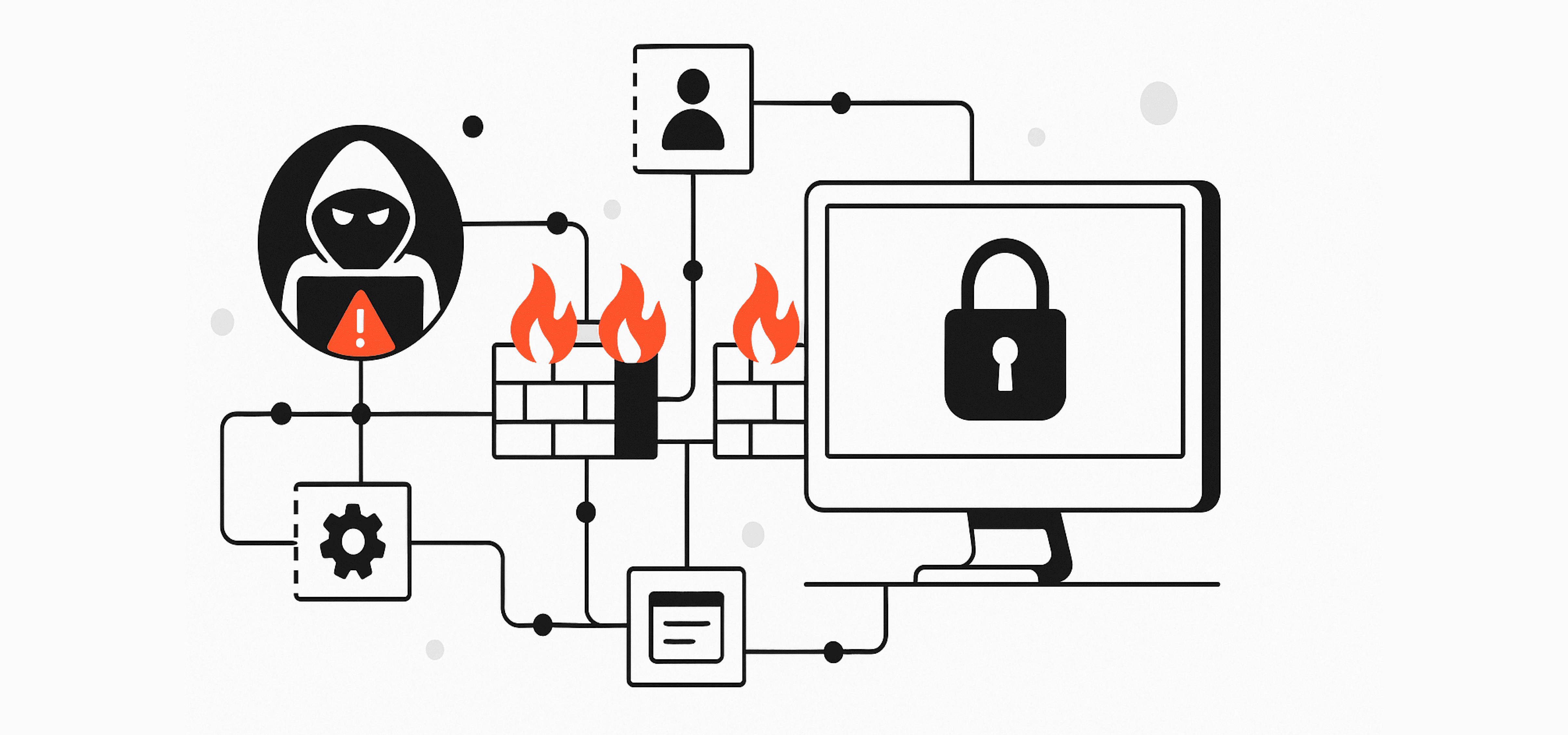
Cyber threats don’t just knock at the front door, they often spread silently inside networks. Once attackers get in, they move laterally, accessing critical systems before they’re detected. This makes micro-segmentation essential. By dividing networks into smaller, isolated zones, organizations can contain breaches instantly, reduce risk, and enforce Zero Trust principles across every environment. For CXOs, this is no longer optional; it has become a strategic control that boards, regulators, and insurers are already seeking.
Read More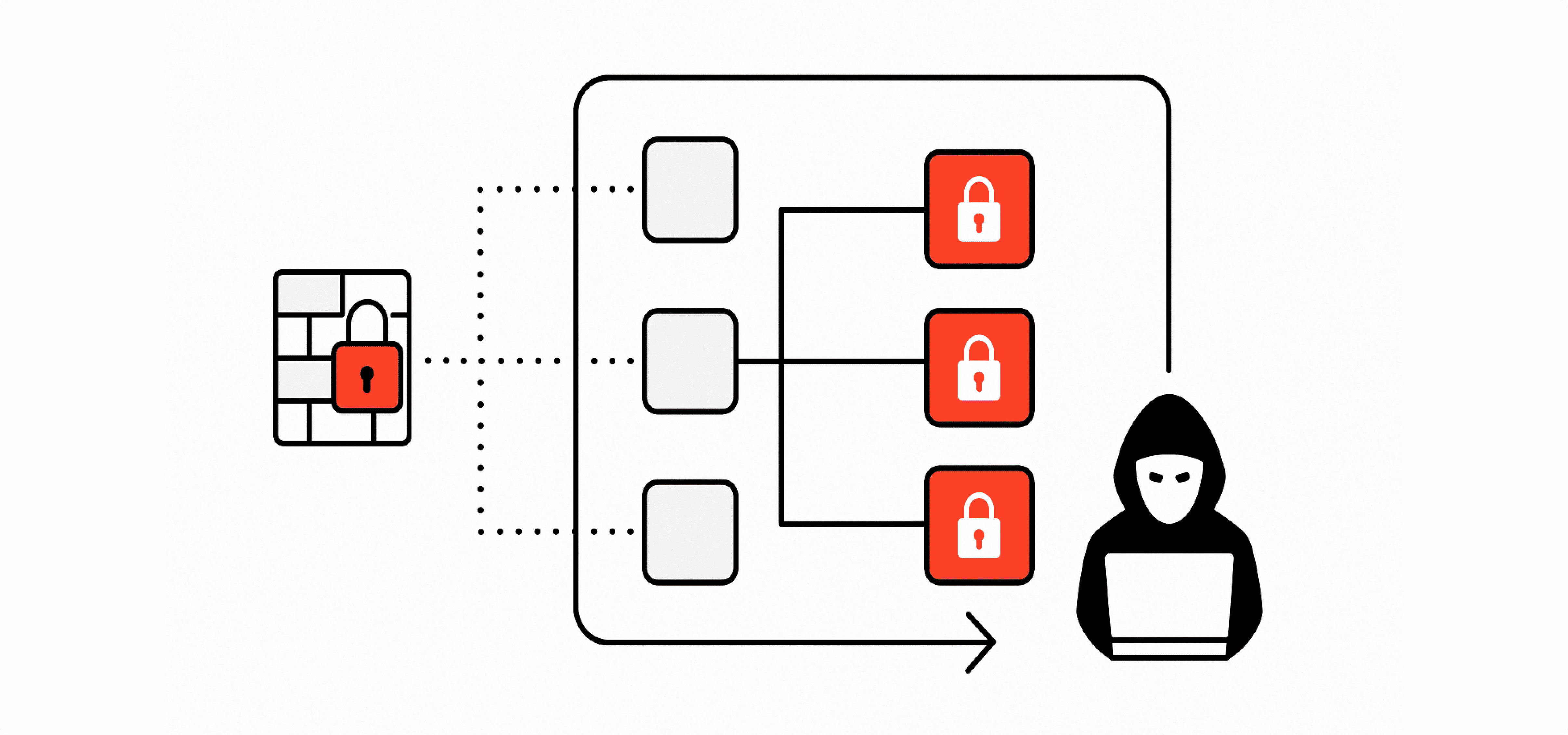
Data is no longer just an asset. It’s the foundation of business growth, compliance, and trust. But in the era of AI-driven applications and hybrid environments, protecting data has become one of the toughest challenges CXOs face. Sensitive data flows across cloud, on-premises systems, databases, SaaS, and now AI models. Without visibility and control, enterprises risk exposing customer information, violating regulations, and losing trust. That’s why Data + AI Security is the next critical layer of cybersecurity. At XSignOn, we help organizations discover, protect, and govern sensitive data across every environment, while keeping all insights within your secure boundaries.
Read More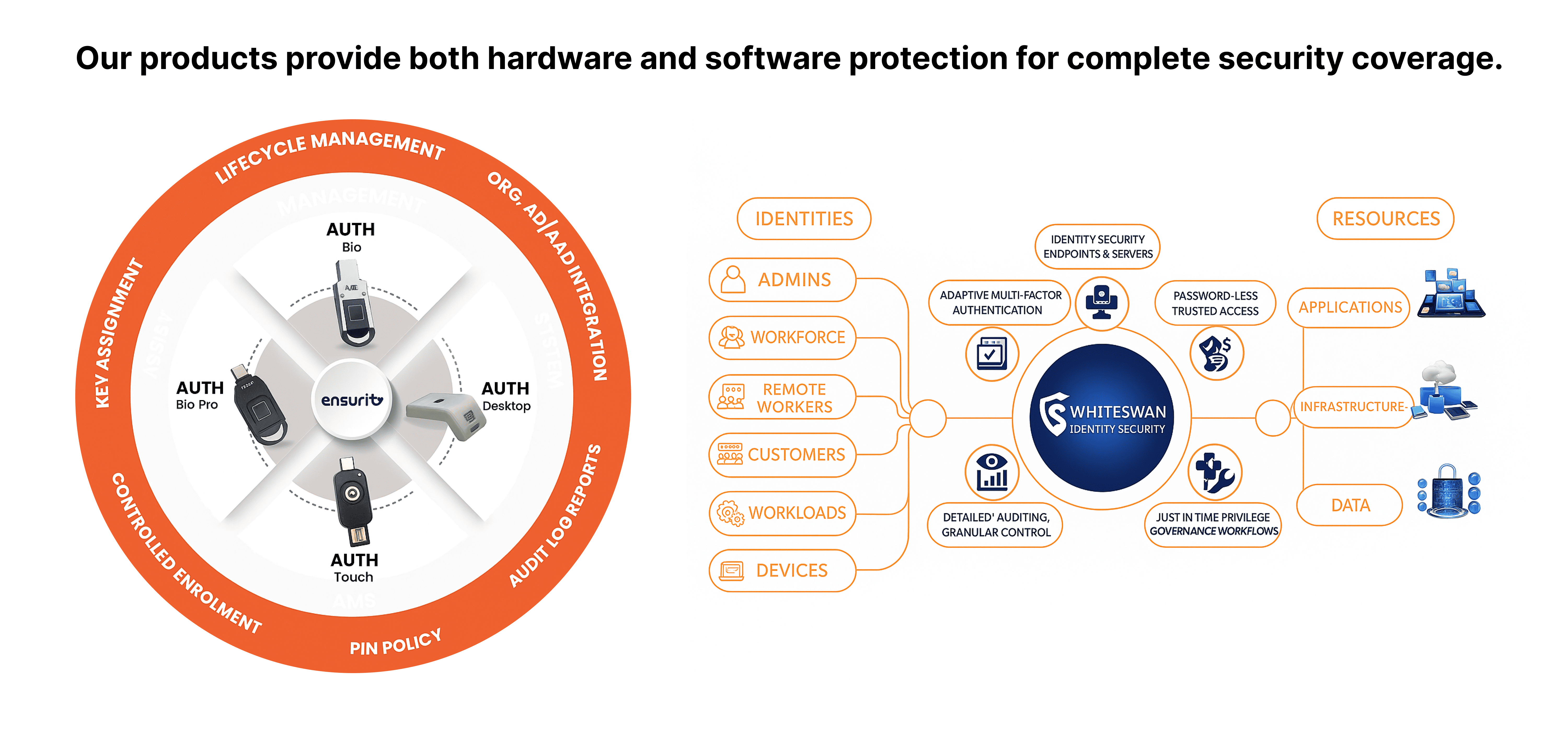
Healthcare and finance organizations carry some of the most sensitive data in the world — patient health records, payment data, financial transactions, and identity details. At the same time, they face some of the highest breach costs: The average healthcare breach costs $10.93M per incident (IBM 2023). Financial services face the fastest escalation, with attackers moving laterally to compromise multiple systems. In both industries, security starts with identity. Who has access, when they have it, and how it’s monitored can mean the difference between trust and breach. That’s why modern enterprises must adopt Identity-First Security, unifying Identity Access Management (IAM) and Privileged Access Management (PAM) into one powerful platform.
Read More